-
Name
-
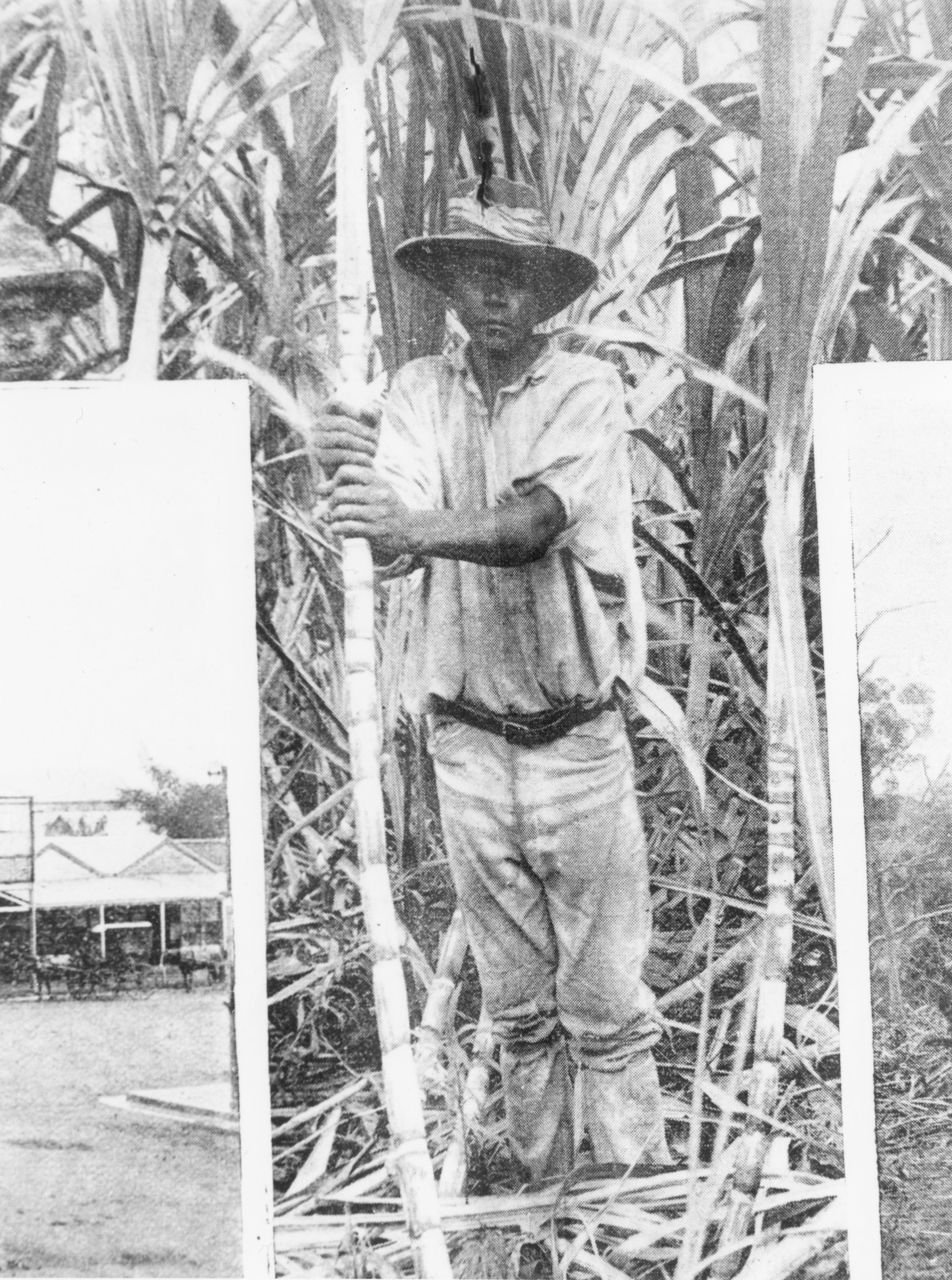
Mackay Plantations
-
Type of carceral site
-
Plantation
-
Dates of use
-
1867 – 1990
-
Quote
-
How many island peoples have sat down on this beach in an hour's respite from the canefields or the railroad-construction gangs! [...] Greeks. Sicilians. Maltese. Japanese. Scots. Irish. Malaitans. English. Tannese. Guadalcanalans. Singhalese [...] All these horizon-watchers, all with their own rules for an islander's survival. All these people talking in their dialects, telling stories and singing songs. What a world of trouble and yearning the shells on this isolated beach have heard. What a resonant piece of country we're on the edge of.
Narrative Non-Fiction.
Gibson, Ross. Seven Versions of an Australian Badland. University of Queensland Press, 2002, pp. 182-183.
-
Using a wooden hammer on an upturned timber box, he began to auction the new arrivals as he would auction horses and cows [..] he never thought of these men as people for fear of losing his perspective.
Novel, Historical Fiction.
Bandler, Faith. Wacvie. Rigby, 1977, p. 21.
-
It is a place where evil can be banished so that goodness can be credited, by contrast, in the regions all around.
Narrative Non-Fiction.
Gibson, Ross. Seven Versions of an Australian Badland. University of Queensland Press, 2002, p. 17.
-
[S]he had no fear of this man but she remembered the power he held, even over the masters. On his orders and of the men could be moved from away from the mill to another. She could be separated from Weloa …
Novel, Historical Fiction.
Bandler, Faith. Wacvie. Rigby, 1977, p. 75.
-
She knew the sound of those hooves, the sound of the bay's metal shoes, cutting the air like a pistol, as it effortless pulled the well kept sulky, cared for especially by Wacvie, because it had carried him to freedom from the plantation in Queensland. Novel, Historical Fiction.
Bandler, Faith. Welou, My Brother. Wild & Woolley, 1984, p. 24.
-
"Then these unfortunate wretches arrive here in Mackay. They are lined up on the wharf and bargained and bought as if they were no more than cattle. Without any regard for their friendships or relationships they are then taken in drays and wagons to their little huts on the plantations where they are to work for the next three years. [...] I heard one overseer say that if a Kanaka cannot work then he is better off dead!"
Novel, Historical Fiction.
Smith, John P McD. The Sugar Slaves: A Novel of the Queensland Kanakas. Seaview Press, 2002, p.150.
-
Authority
-
Private investment; CSR Sugar
-
Contact
-
Dashiell
-
identifier
-
SITE-MACPLAN