-
Name
-
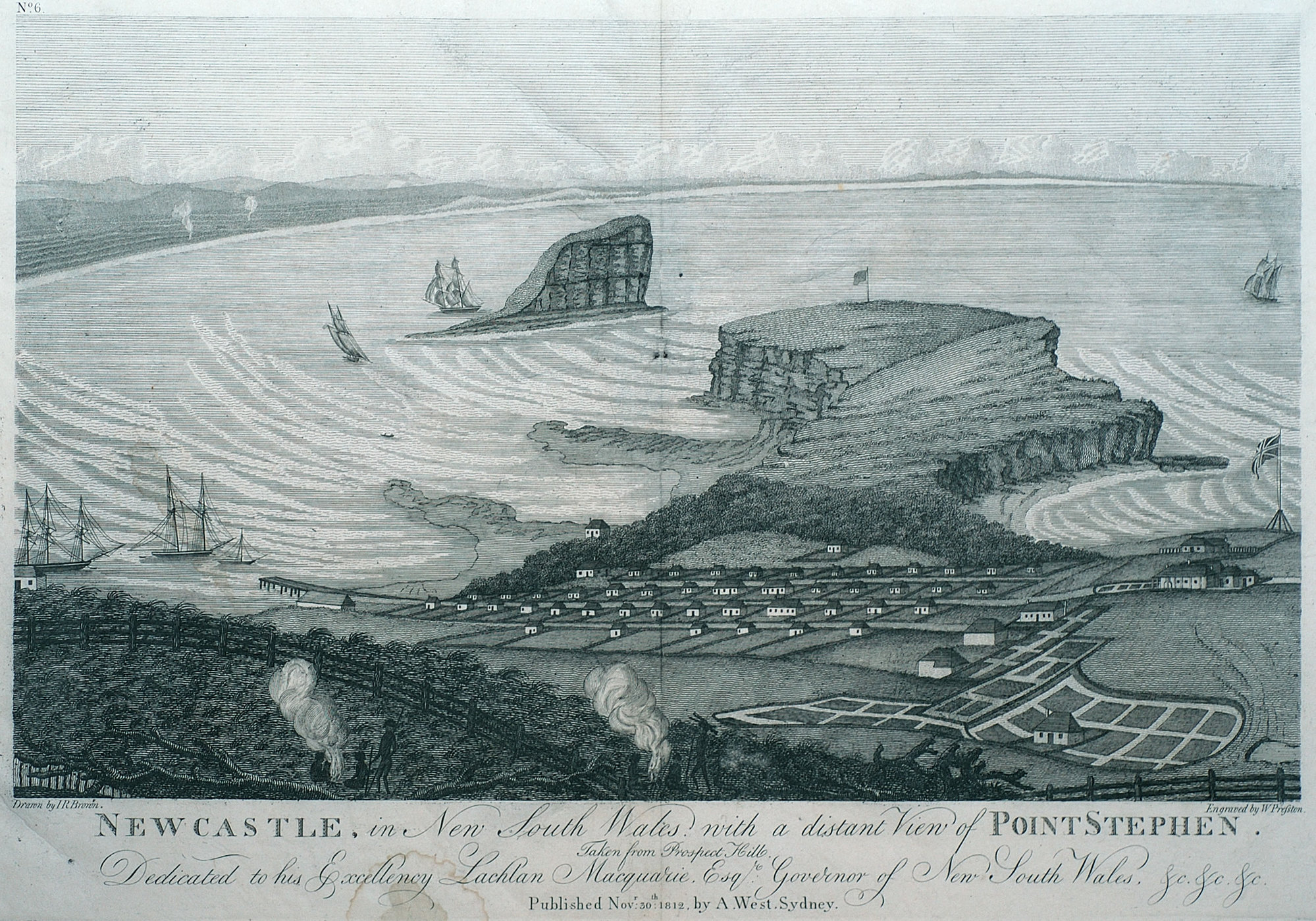
Newcastle Penal Colony
-
Type of carceral site
-
Penal Settlement
-
Dates of use
-
1804 – 1824
-
Quote
-
For another week Rashleigh continued his gruelling task of loading and carting coal below, goaded by blows and threats from the overseers; came up with the rest on Saturday and witnessed the infliction of four thousand lashes on the Sunday. The third week he was transferred to a party whose job was to deliver at the pit's mouth daily a stated quantity of coal, and, failing delivery, to be flogged until they reached the required standard. He passed nine unvarying months of miserable toil, receiving in all six hundred and fifty lashes for offences mainly invented by the caprice of his overseers, until he was, at the usual Sunday ceremony, haled before the commandant, charged by the principal overseer of the mine with incorrigible laziness. By custom, and without any opportunity of defence, he received a hundred lashes, and was ordered to be sent on the following day to work naked in the lime-burners' gang across the river.
Fiction, Historical.
Tucker, James. The Adventures of Ralph Rashleigh: A Penal Exile in Australia, 1825-1844. University of Sydney Library, 2003 [1929], n.p.
-
Undoubtedly, convict life at Newcastle was gruelling, lonely and unhealthy. Coal miners hewed and hauled tonnes of coal in dangerous and cramped conditions, risking asthma, pulmonary complaints and the constant threat of rock fall. Lime burners walked barefoot across oyster shells and through plumes of dusty smoke that burnt their eyes. Timber cutters endured long absences camped outside the settlement with the risk of Aboriginal attack and the danger of fatal accident. All laboured on inadequate rations and under the threat of corporal punishment for a great range of offences, suffering higher than average levels of disease, sickness and mortality.
Academic Journal Article.
Roberts, David A. and Daniel Garland. "The Forgotten Commandant: James Wallis and the Newcastle Penal Settlement, 1816–1818." Australian Historical Studies, vol. 41, no. 1, 2010, pp. 5-24, doi:10.1080/10314610903483531: pp. 8-9.
-
There were fundamental shifts in the scale and substance of the convict system between 1815 and 1821, when the era of mass transportation was heralded by the arrival of over 14,000 convicts, imposed on a colony still struggling to support itself and a government lacking the information and instruction to undertake long-term planning. Combined, the imperatives of absorbing surplus labour, extracting more resources and maintaining penal discipline and public order in Sydney ensured that Newcastle would play an enhanced role in the employment, provisioning and regulation of the colony's swelling convict population.
Academic Journal Article.
Roberts, David A. and Daniel Garland. "The Forgotten Commandant: James Wallis and the Newcastle Penal Settlement, 1816–1818." Australian Historical Studies, vol. 41, no. 1, 2010, pp. 5-24, doi:10.1080/10314610903483531: p. 9.
-
Authority
-
Executive authority of the Governor of New South Wales, Philip Gidley King
-
Archives and sources
-
Roberts, David A. and Daniel Garland. "The Forgotten Commandant: James Wallis and the Newcastle Penal Settlement, 1816–1818." Australian Historical Studies, vol. 41, no. 1, 2010, pp. 5-24, doi:10.1080/10314610903483531.
-
Contact
-
Niamh
-
identifier
-
SITE-NEW